
Hot Products
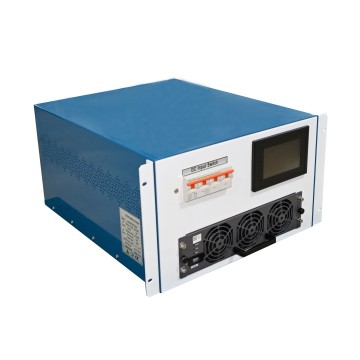
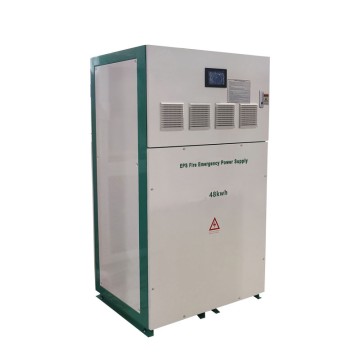
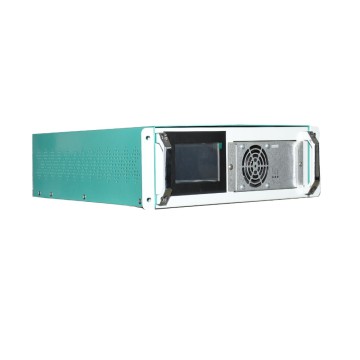

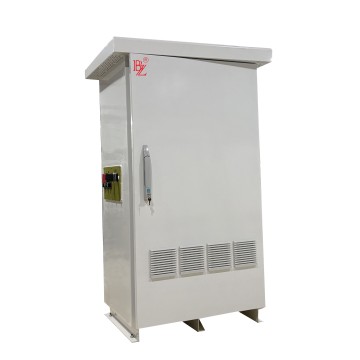
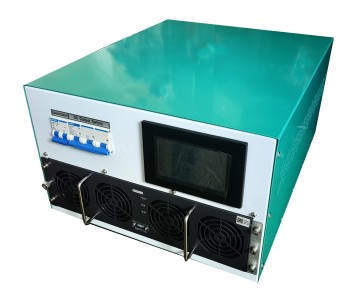
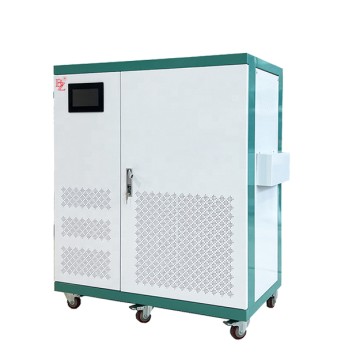

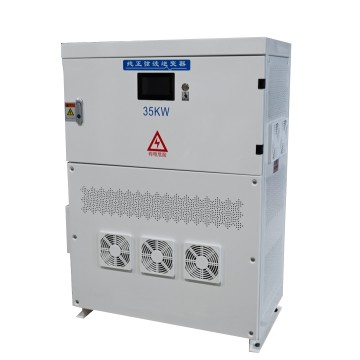
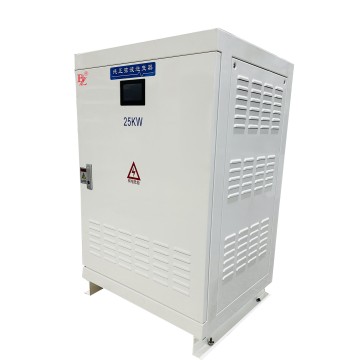
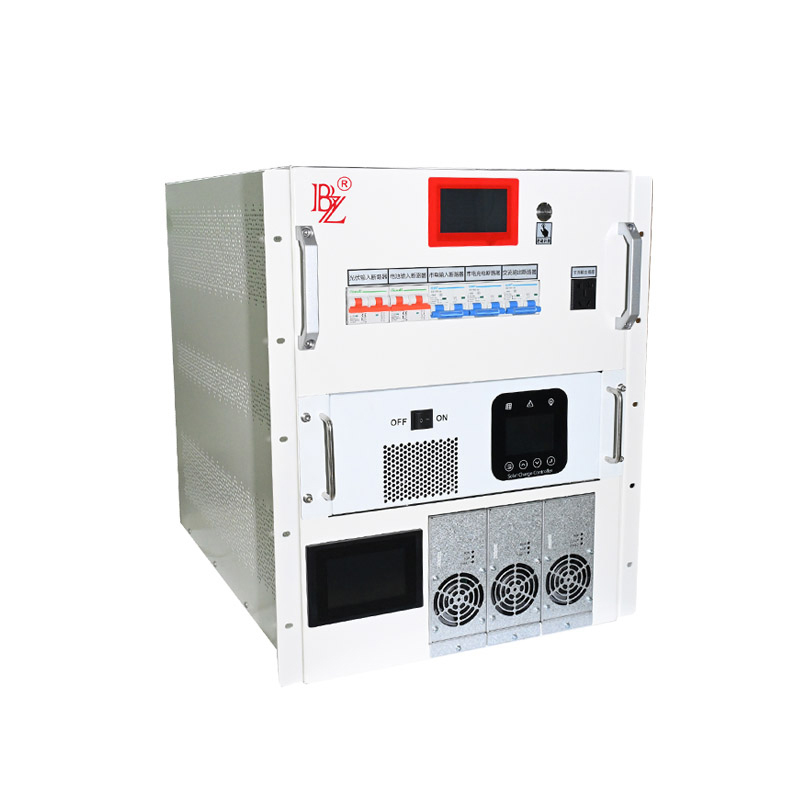
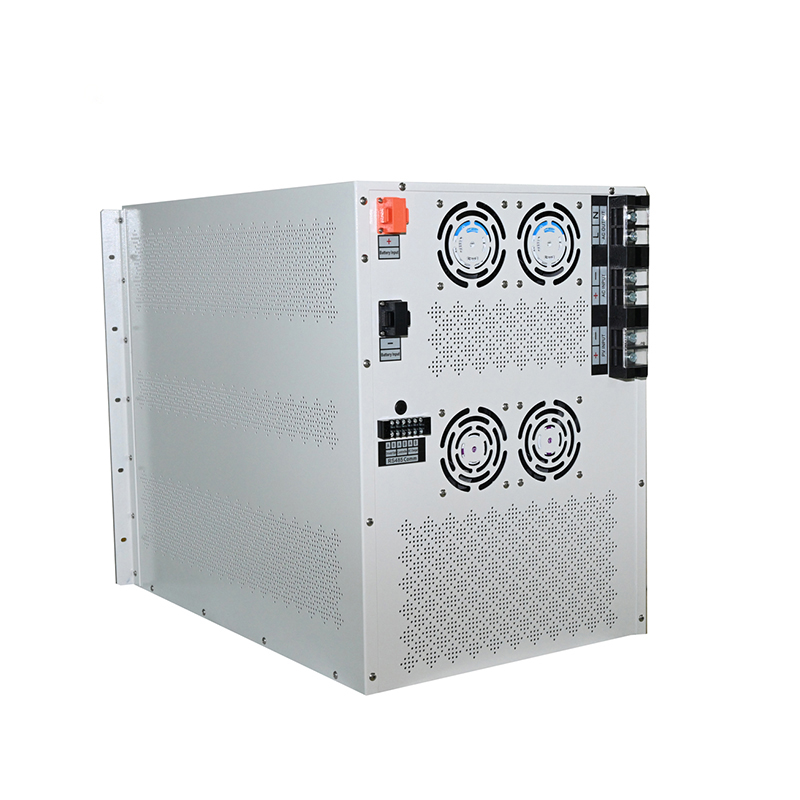
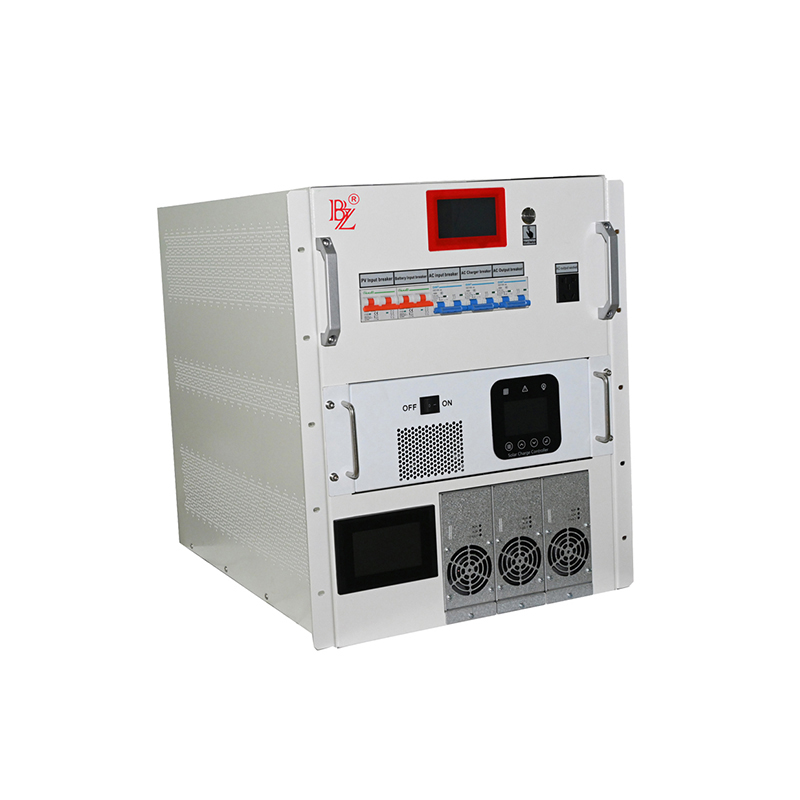
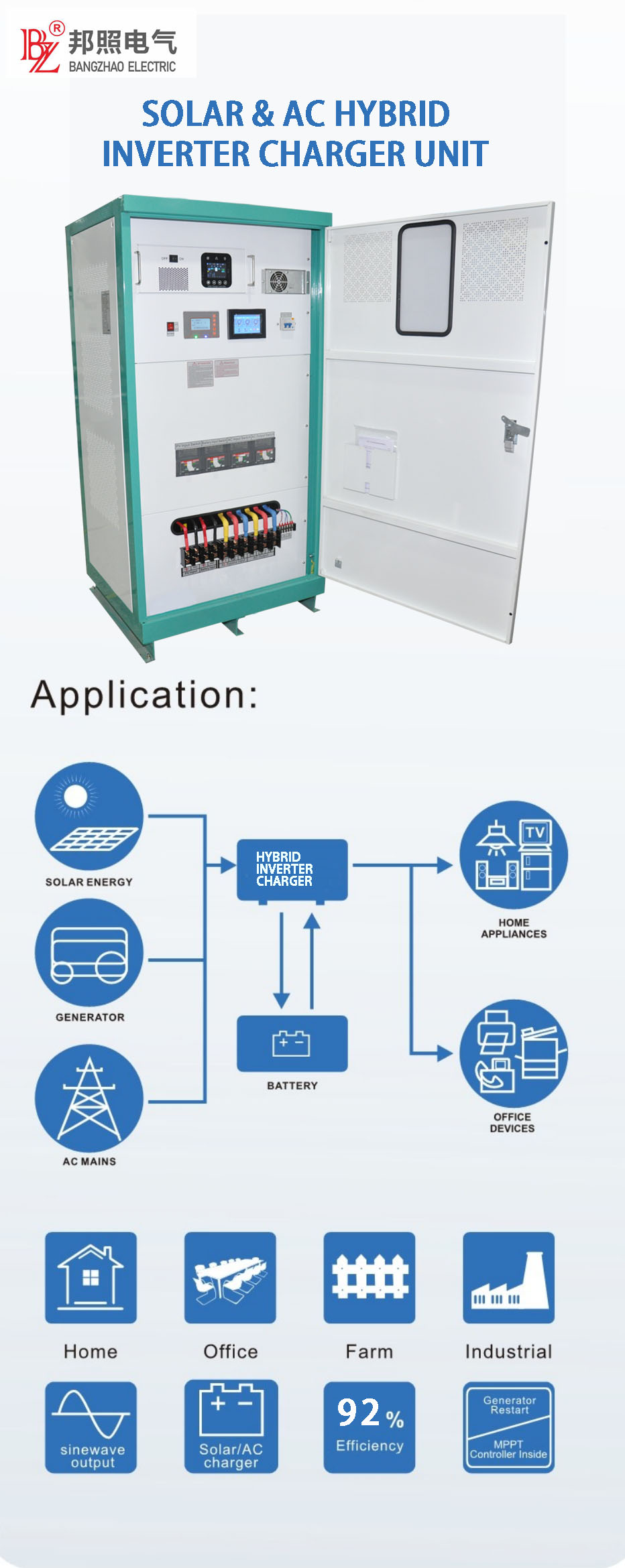
Hybrid Inverter Charger Controller All-in-One Unit - Reliable China Suppliers and Factory for Efficient Solar Power Solutions
Support MPPT (Maximum Power Point Tracking), PV charging efficiency up to 99%, can quickly capture the maximum power of solar panels; utility charging adopts a four-stage intelligent charging mode, compatible with lead-acid, lithium batteries and other battery types. (Optional PWM control mode is available)
Built-in pure sine wave inverter, stable output voltage, pure waveform, compatible with all kinds of household appliances, power tools and industrial equipment, conversion efficiency of 94% or more (half-load environment).
Equipped with DSP intelligent chip, it monitors the system status in real time, supports automatic switching of power supply modes (utility priority / photovoltaic priority / inverter priority), and is equipped with multiple protection functions, such as overcharging, over-discharging, overloading and short-circuit.
Support 96V–600V (customised) DC voltage input, AC output covering 110V / 220V / 380V / 460V / 520V to meet the needs of different scenarios.
Equipped with LED/LCD display, real-time display of operating parameters; support remote monitoring (RS-485 interface or CAN communication), convenient for centralised management.
As a family backup power supply, using solar panel charging with utility power auxiliary supplement, to ensure the continuous operation of refrigerators, lighting and other equipment during power outages.
Supply power for mobile equipment and power tools, support vehicle charging and energy storage, meet the needs of field construction, camping and other scenarios.
Suitable for remote areas, islands and other areas without power grid, providing stable power support to drive communication base stations, monitoring equipment, etc.
In factories, mines and other scenarios, it provides reliable power for production lines, mechanical equipment, and reduces dependence on the traditional power grid.
Provide emergency power for shopping malls, supermarkets, etc., to ensure the normal operation of key equipment (e.g., cash registers, freezers) in the event of a power outage.