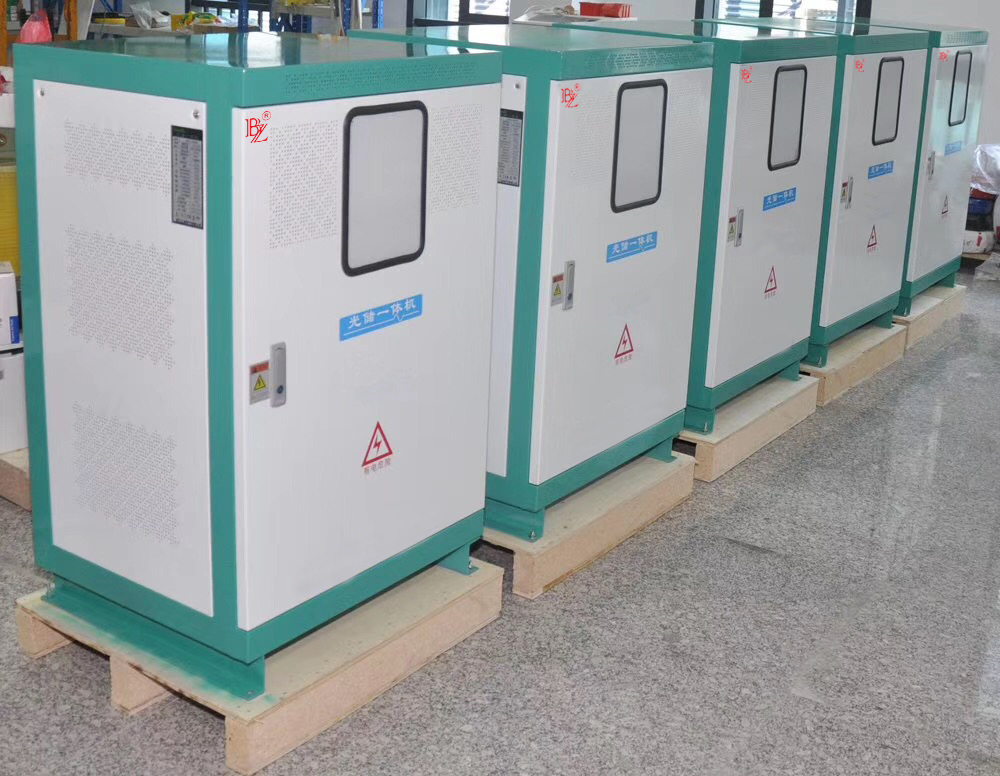
Lately, you’ve probably noticed that Solar Pump Inverters are becoming pretty popular — and for good reason. They’re a smart, eco-friendly way to handle water pumping, whether it’s for farming or just around the house. That said, even though more folks are jumping on the bandwagon, a lot of users run into common hurdles that can mess with how well they work. At Bangzhao Electric Co., Ltd., we totally get these issues. Over the past decade, we’ve been working on solutions — think upgraded lithium battery storage and top-notch inverters — all designed to help you save energy and get more reliable performance.
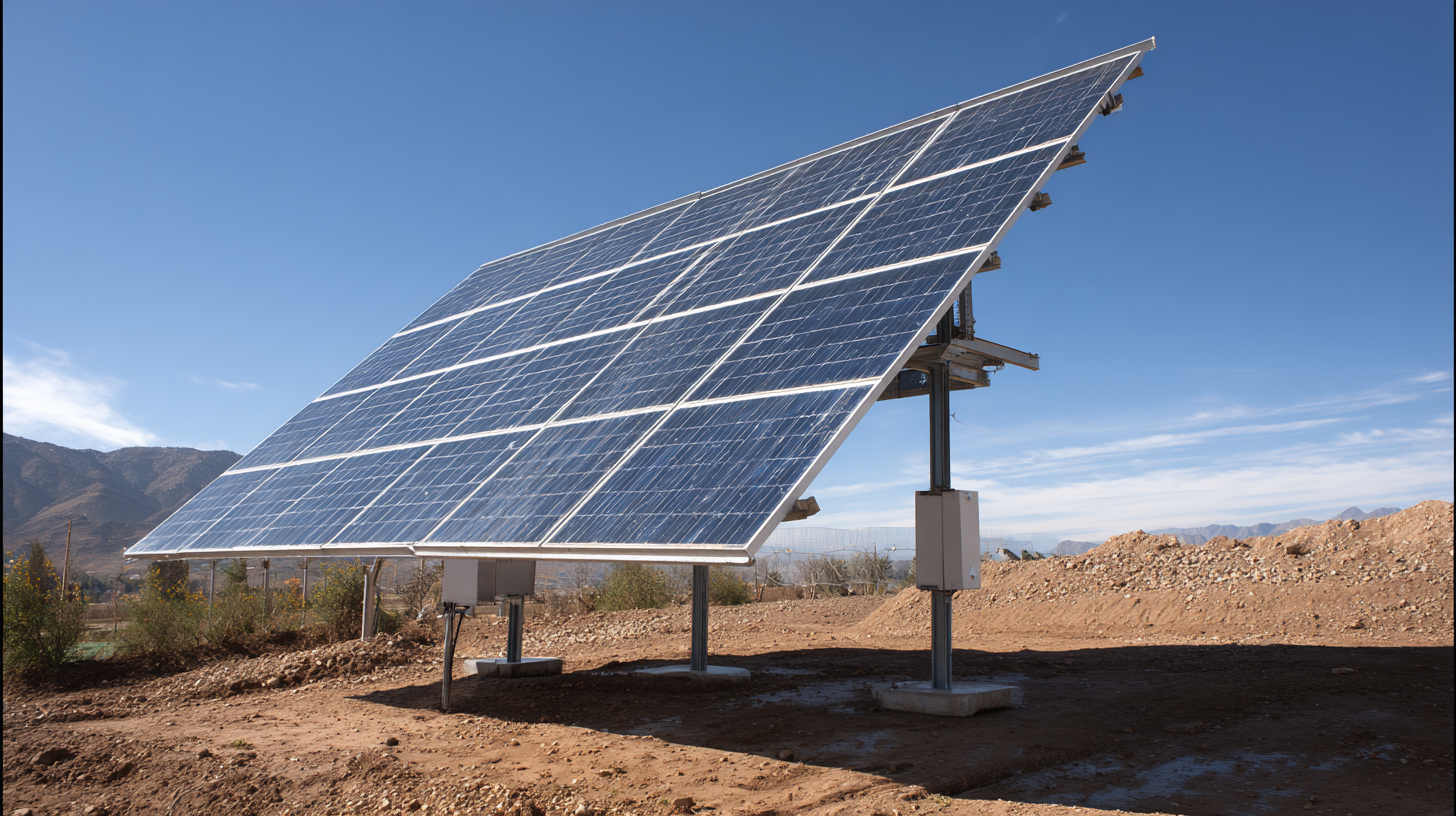
In this guide, I’ll walk you through some of the usual problems people face with Solar Pump Inverters and share practical tips to tackle them. Our goal? To help you seamlessly incorporate solar tech into your systems so you can enjoy all the benefits without the headache. By addressing these challenges early on, we hope you’ll get the most out of your solar setup and make water management a breeze — more sustainable and less of a hassle!
Understanding the Basics of Solar Pump Inverters: Key Functions and Benefits
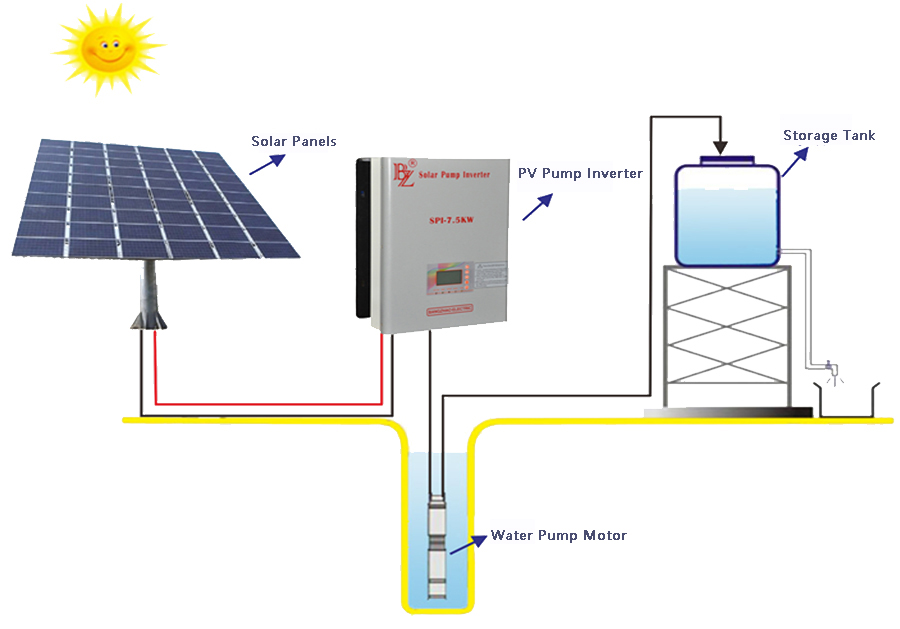
Alright, let's talk about solar pump inverters for a sec. These little devices are pretty vital because they take the direct current (DC) power from those shiny solar panels and turn it into alternating current (AC), which is what most water pumps actually need to do their thing. If you're thinking about using solar energy either for farming or just your home water needs, understanding how these inverters work is kind of a must. They don’t just boost efficiency — they also let you operate everything remotely, which means less hassle and fewer trips to manually turn things on or off. It’s no secret that solar water pumping can slash operational costs by up to 85%. That’s a game-changer for farmers living out in the sticks, making the switch totally worth it.
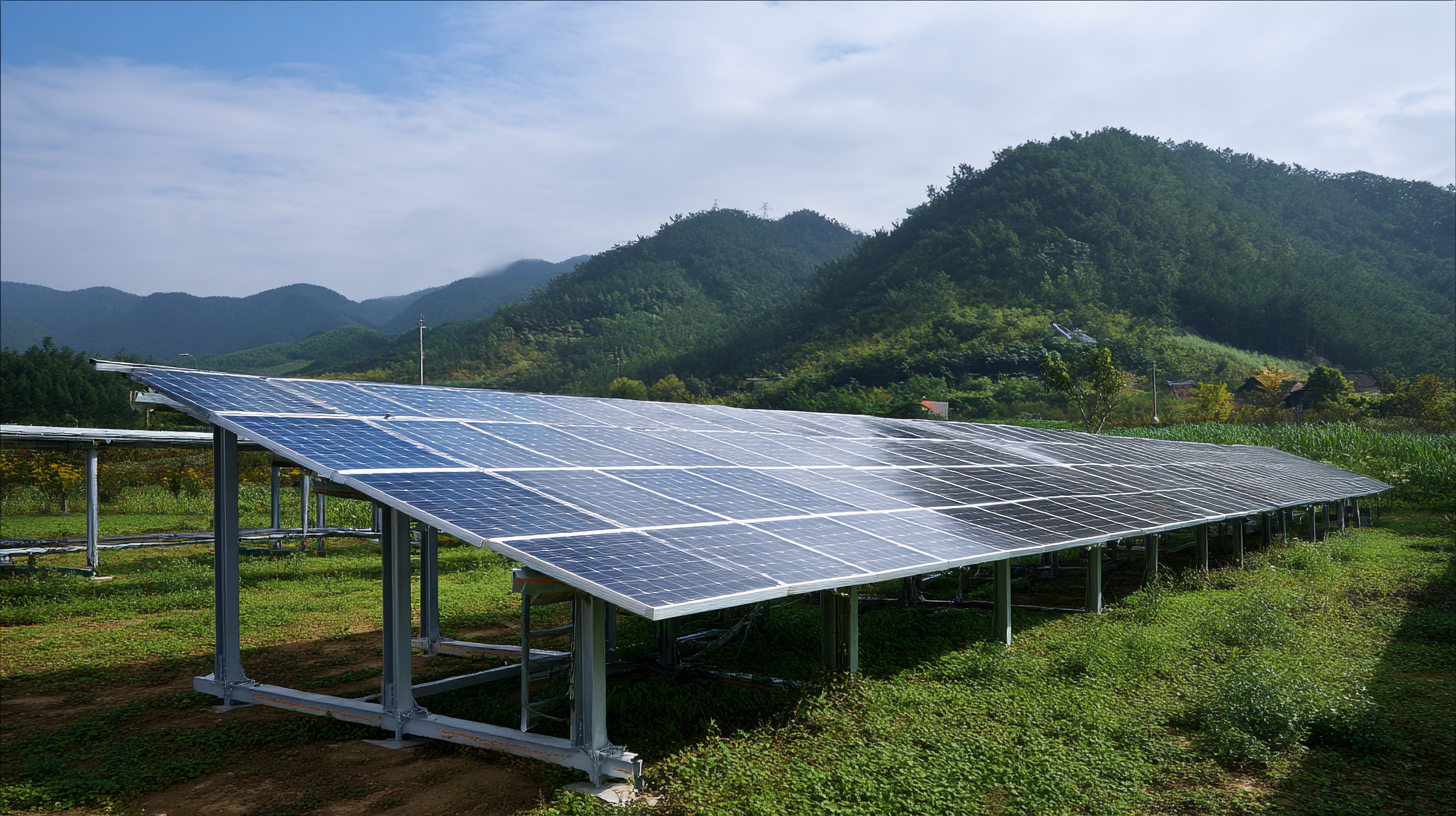
Of course, it’s not always smooth sailing. Some folks might run into issues like voltage swings or incompatibility with certain equipment. The secret is picking a good quality inverter — ones that come with features like voltage regulation and built-in protections to keep everything running smoothly. Here at Bangzhao Electric Co., Ltd., we’ve been focused on creating top-notch solutions for over ten years — including Pure Sine Wave Inverters, which deliver steady, reliable power. By using advanced tech and keeping sustainability in mind, we’ve been able to improve the performance and trustworthiness of solar water pump systems. Ultimately, it’s about helping more people adopt renewable energy solutions for water management, making it simpler and more effective than ever before.
Identifying Common Issues: Frequent Challenges Faced by Solar Pump Inverter Users
When it comes to solar pump inverters, a lot of folks run into some common issues that can really mess with how well everything works. One of the biggest problems is inefficiency in converting power. That can happen if the inverter isn’t good quality or if the system isn’t sized properly. You might notice the output flickering or fluctuating—especially when the weather’s all over the place—which can make water delivery pretty unpredictable. It’s super important to choose inverters that match the specs of your solar panels and the needs of your pump. That way, you stand a better chance of avoiding these hiccups and keeping the energy flow steady.
Another thing that trips people up is installation and maintenance. If stuff isn’t installed correctly, you could end up with overheating or exposed parts that wear out quickly. Regular check-ups and maintenance are key—think of it like giving your system a health check-up. Spending some time to train your tech folks and doing routine inspections can save you a lot of headaches down the line. It’ll help cut down on downtime and make sure your solar pump lasts longer. Tackling these issues not only boosts performance but also makes your whole solar setup more reliable, whether you’re using it on the farm or at home.
Effective Solutions: Troubleshooting Common Problems with Solar Pump Inverters
Solar pump inverters are pretty much the backbone when it comes to turning direct current (DC) into the alternating current (AC) needed to run solar pumps smoothly. That said, they’re not without their hiccups. One common issue is overheating, which can happen if the inverter isn’t sized right for the system or if it’s not getting enough ventilation. A report from the Solar Energy Industries Association points out that using the wrong-sized inverter can actually cut down efficiency by up to 20%. To avoid this, it’s super important to match the inverter to the pump’s power needs and make sure it’s installed somewhere cool and well-ventilated — good airflow really makes a difference.
Another thing you might run into is voltage swings. These fluctuations can mess with how the inverter works, especially if there’s a sudden change in load or clouds blocking the sun, messing with solar irradiance. The National Renewable Energy Laboratory has found that these voltage quirks can cause the inverter to malfunction or even get damaged over time. The fix? Adding a voltage regulation system can help keep things steady, which in turn extends the lifespan of your equipment. Going for inverter models with built-in protection features also helps prevent damage from those pesky voltage ups and downs, making sure your solar irrigation system keeps running reliably and efficiently.
Maintenance Tips: How to Ensure Longevity and Efficiency of Solar Pump Inverters
Taking good care of your solar pump inverters is super important if you want them to last and work efficiently. Honestly, just regular cleaning can go a long way—it's such a simple trick but really effective. Dust and dirt tend to build up on the outside and around those vents, and if they get clogged, your inverter might overheat and not perform as well. So, a soft cloth and a bit of gentle cleaning solution are all you need to keep things tidy. Oh, and don’t forget to check the wiring and connections now and then. Loose or corroded wires can cause all sorts of issues, maybe even lead to system failures. Tighten those connections up and swap out any damaged wires—you’ll thank yourself later!
Another thing that’s worth keeping an eye on is how your inverter is actually doing—monitor its performance regularly. Just peek at the energy it’s producing, and if you notice a sudden drop, that could be a sign something's off. Catching these little issues early can save you a lot of headaches. And hey, it’s a good idea to get a pro to do a full inspection at least once a year. A trained technician can catch things you might miss and do some maintenance that’s beyond just cleaning, helping your solar pump inverter stay in tip-top shape for years to come.
Upgrading and Optimizing: Enhancing Performance of Solar Pump Systems with Inverters
If you're looking to get the most out of your solar pump systems, upgrading them with modern inverters can make a huge difference in how well they perform and how efficient they are. According to a report from the International Renewable Energy Agency (IRENA), adding Solar Inverters can boost the energy conversion efficiency of these pumps by up to30%, which is pretty significant. This is especially important in farming, where maximizing irrigation and cutting down on energy costs are often top priorities. By using advanced inverter tech, farmers can really tap into the full potential of sunlight, making sure their irrigation runs smoothly during those bright, peak hours.
On top of that, installing smart inverters basically takes your system up a notch. These smart systems allow for better monitoring and control of energy output. A study by the National Renewable Energy Laboratory (NREL) shows that with smart inverters, the system can adapt on the fly to changes in sunlight, keeping performance steady. Plus, features like remote control and data analytics can help spot issues early — so you can do maintenance before things break down, reducing faulty downtime. Overall, upgrading to these modern systems doesn’t just help with water supply — it also makes your farm more resilient and ready for the future.
Future Trends: Innovations in Solar Pump Inverter Technology and Industry Expectations
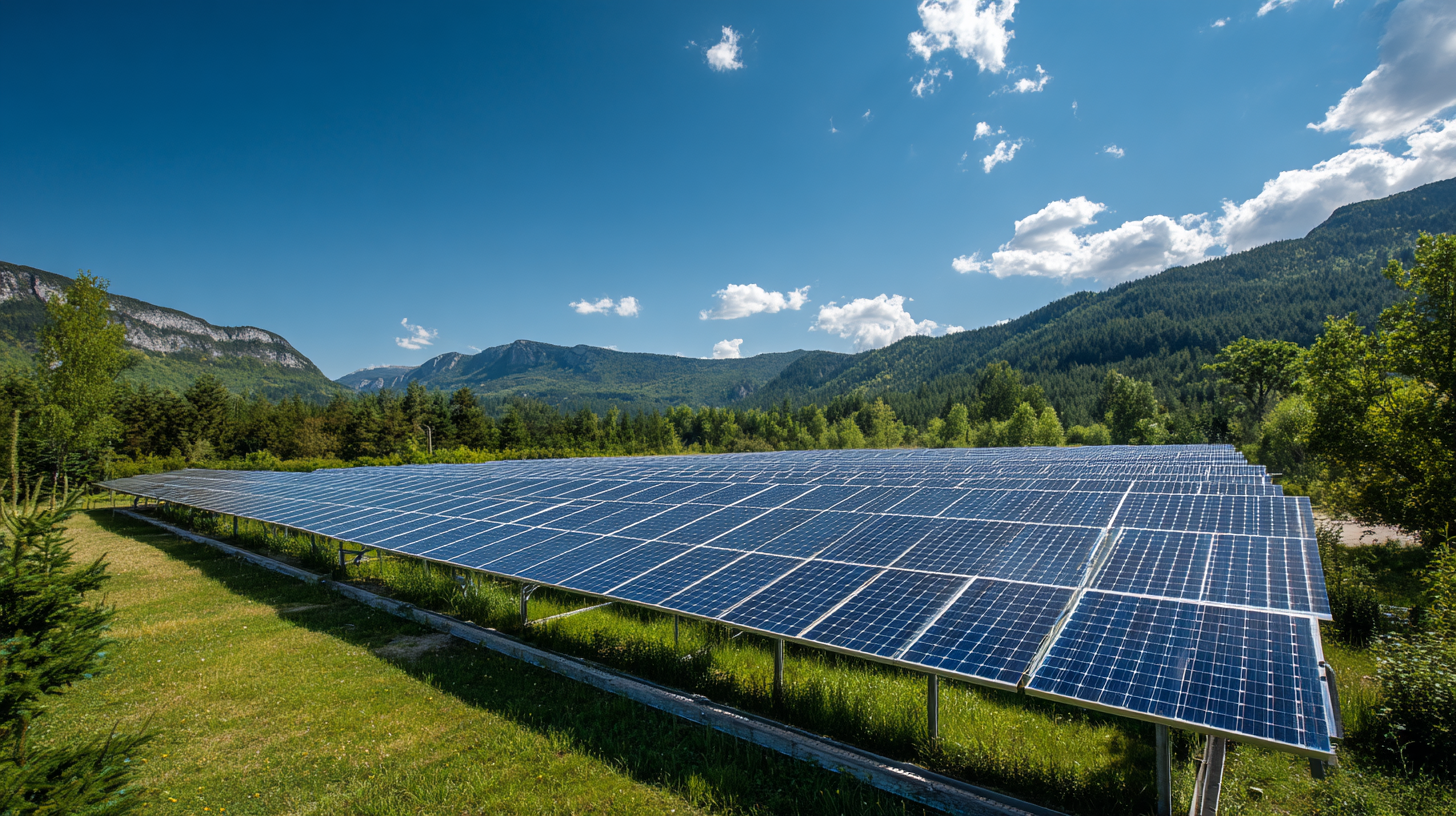
The solar pump inverter market is really picking up steam these days, mainly because everyone’s talking about the urgent need for cleaner, more sustainable energy, especially in agriculture. If you look at recent market reports, they’re predicting that this industry will grow at a pretty impressive rate—over 15% annually from 2023 all the way to 2030. It’s clear there’s a big shift happening toward renewable tech. What’s exciting is that the latest inverter innovations are focusing on making these systems more efficient, reliable, and compatible with different energy storage solutions—thing like lithium batteries are really becoming a game-changer here.
Now, companies like Bangzhao Electric Co., Ltd., with over ten years of experience under their belt in crafting top-notch solutions like lithium battery storage and pure sine wave inverters, are really poised to meet this rising demand. Looking ahead, we’re seeing trends towards smarter energy storage—basically, inverters that can not only convert solar power into usable electricity but also store any extra energy for later. That means a more resilient system and better energy management for farms and agriculture. As the industry moves forward, integrating smart tech like IoT-based monitoring is going to become more common, helping streamline operations and boost efficiency even further in solar pump setups.
Maximize Your Energy Efficiency: The Ultimate Guide to Choosing a 50A~150A Solar Battery Regulator
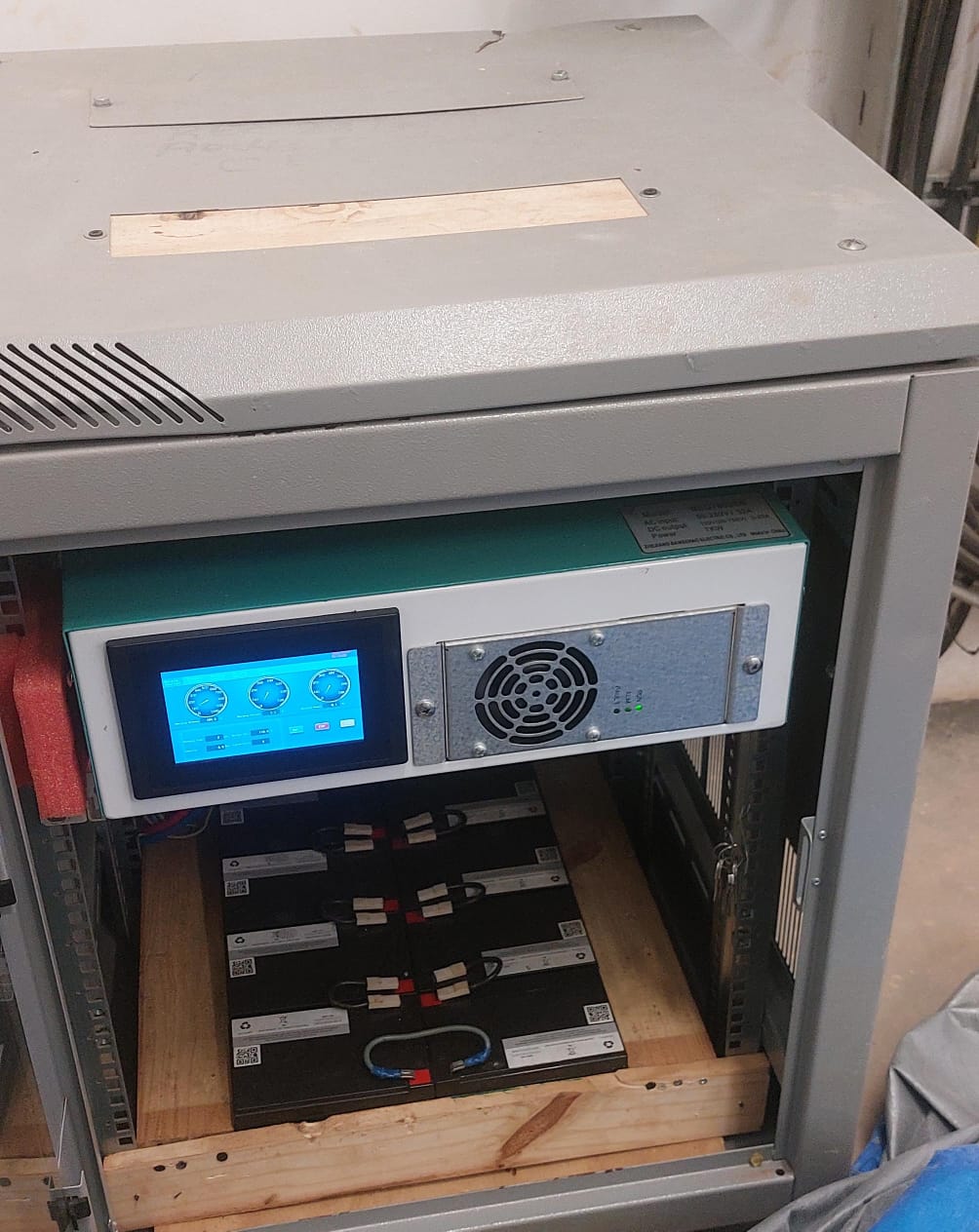
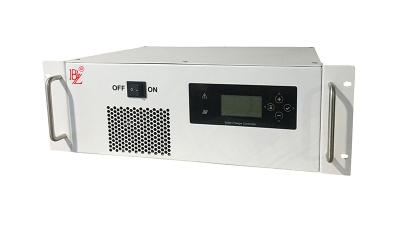
When it comes to maximizing energy efficiency in your solar power system, choosing the right solar battery regulator is crucial. The rack-mounted solar battery regulator, available in specifications from 50A to 150A, acts as the "smart guardian" of high-voltage photovoltaic systems. With options for voltage outputs of 96V, 144V, 240V, 360V, 537V, and 614V, it’s tailored to meet diverse energy needs while ensuring optimal performance.
One of the standout features of this regulator is its highly efficient PWM (Pulse Width Modulation) charging mode. This mode intelligently adjusts the charging current and voltage based on the real-time state of the battery, promoting a more scientific and reasonable charging process. Whether it's a bright sunny day or a cloudy one, this regulator automatically adapts to the fluctuating light conditions, ensuring stable operation and consistent energy capture, making it an essential component for those looking to enhance their solar energy systems.
Moreover, safety is a paramount concern, and this solar battery regulator excels in battery protection. It effectively prevents issues like overcharging and over-discharging, significantly extending the lifespan of your batteries. By implementing such protective measures, users can rest assured that their investment in solar energy will be safeguarded, ultimately contributing to a more sustainable and economical energy solution.
FAQS
: Solar pump inverters are used to convert direct current (DC) into alternating current (AC) to efficiently power solar pumps.
A common problem is overheating, which can occur if inverters are not adequately sized for the system or if there is insufficient ventilation.
Overheating can be mitigated by ensuring that the inverter is correctly matched to the pump's power requirements and is installed in a well-ventilated area.
Voltage fluctuations can be caused by sudden changes in load or varying levels of solar irradiance.
Voltage inconsistencies can lead to inverter malfunction or damage over time.
Integrating a voltage regulation system and using advanced inverter technology with built-in protection features can help maintain stable voltage levels and prevent damage.
Upgrading to advanced inverter technology can improve energy conversion efficiency by up to 30% and ensure optimal operation during peak sunlight hours.
Smart inverters enable better monitoring and management of energy output, dynamically adjusting to fluctuations in solar radiation.
Smart inverters can include features such as remote control and data analytics, which help identify performance issues early and reduce downtime.
Optimizing solar pump systems is crucial in agriculture to maximize irrigation efficiency and minimize energy costs, ensuring a sustainable water supply.